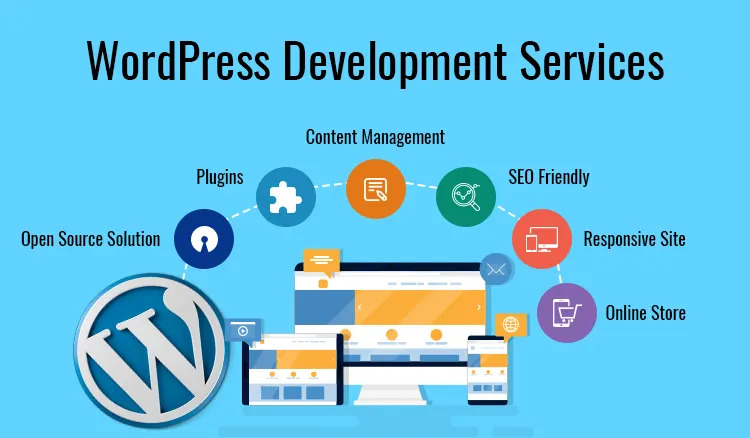
In today’s fast-changing digital landscape, staying updated with the latest WordPress trends is essential for building a modern, high-performing website. Platforms like WP Gyani highlight how design improvements, plugins, and user experience enhancements can completely transform a website’s appearance and performance.
If you want to stay ahead in 2026, here are the top WordPress trends every website owner must know.
Table of Contents
1. AI-Powered WordPress Websites
Artificial Intelligence is revolutionizing WordPress. From AI-generated content to automated website design, tools now allow users to build full websites without coding. AI builders can even clone layouts and optimize performance automatically.
Trend Insight: Expect faster development, smarter SEO suggestions, and automated content creation.
2. Advanced Website Design & Visual Experience
Modern WordPress sites focus heavily on interactive and visually appealing designs. Features like animated text, scroll effects, and dynamic layouts are becoming standard.
Inspired by your reference blog: Enhancing appearance using design elements (themes, layouts, galleries) is a key factor in engagement.
3. No-Code & Drag-and-Drop Builders
Page builders like Elementor and Gutenberg continue to dominate. Users can now design websites visually without technical knowledge. Tools even convert design files into live WordPress pages.
Trend Insight: No-code development is making WordPress accessible to everyone.
4. Strong Focus on Website Security
With increasing cyber threats, security is a top priority. Regular updates, secure plugins, and malware protection are essential.
Best Practice:
Use trusted plugins
Enable SSL
Regular backups
5. Accessibility & Inclusive Design
Making websites accessible to all users is no longer optional. WordPress plugins now help meet accessibility standards and improve user experience.
Trend Insight: Accessibility improves SEO and user trust.
6. Performance & Speed Optimization
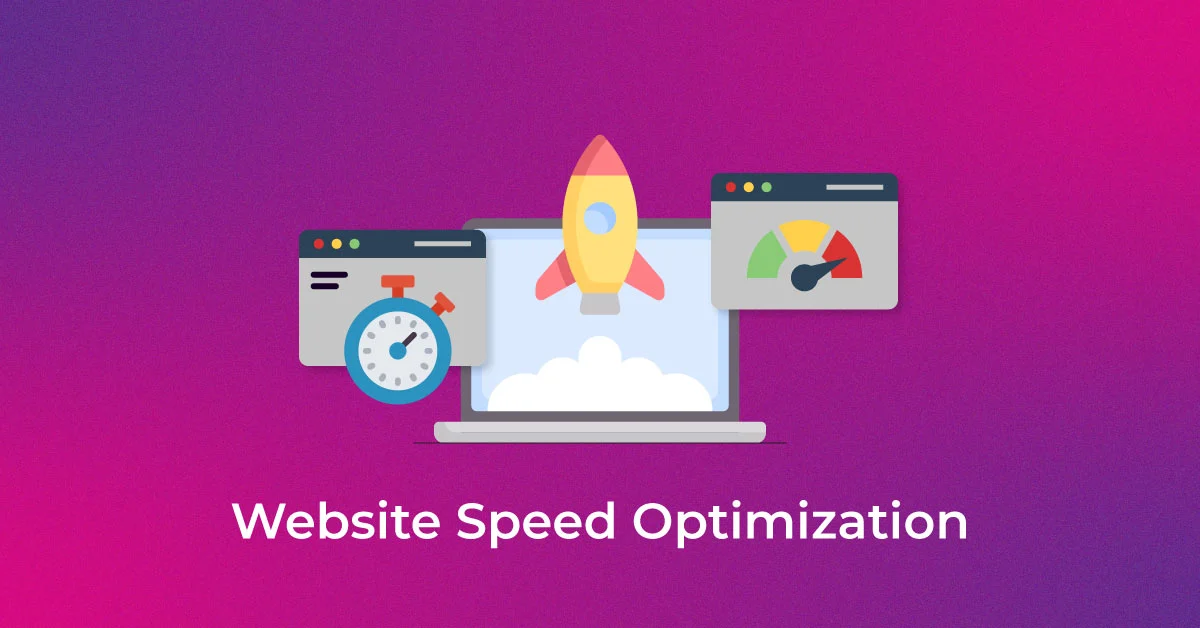
Website speed directly impacts rankings and conversions. Optimizing images, caching, and lightweight themes are crucial.
Key Improvements:
Use caching plugins
Optimize images
Choose fast hosting
7. Growth of WooCommerce & E-commerce
WordPress continues to dominate e-commerce with WooCommerce integration, allowing businesses to create powerful online stores with ease.
Trend Insight: More businesses are shifting to WordPress for scalable eCommerce solutions.
8. Rich Media & Visual Content Integration
Image galleries, videos, and interactive media are becoming essential for engagement. WordPress plugins now allow advanced gallery customization and unlimited media uploads.
Inspired by your URL: Enhancing visual appearance plays a major role in website success.
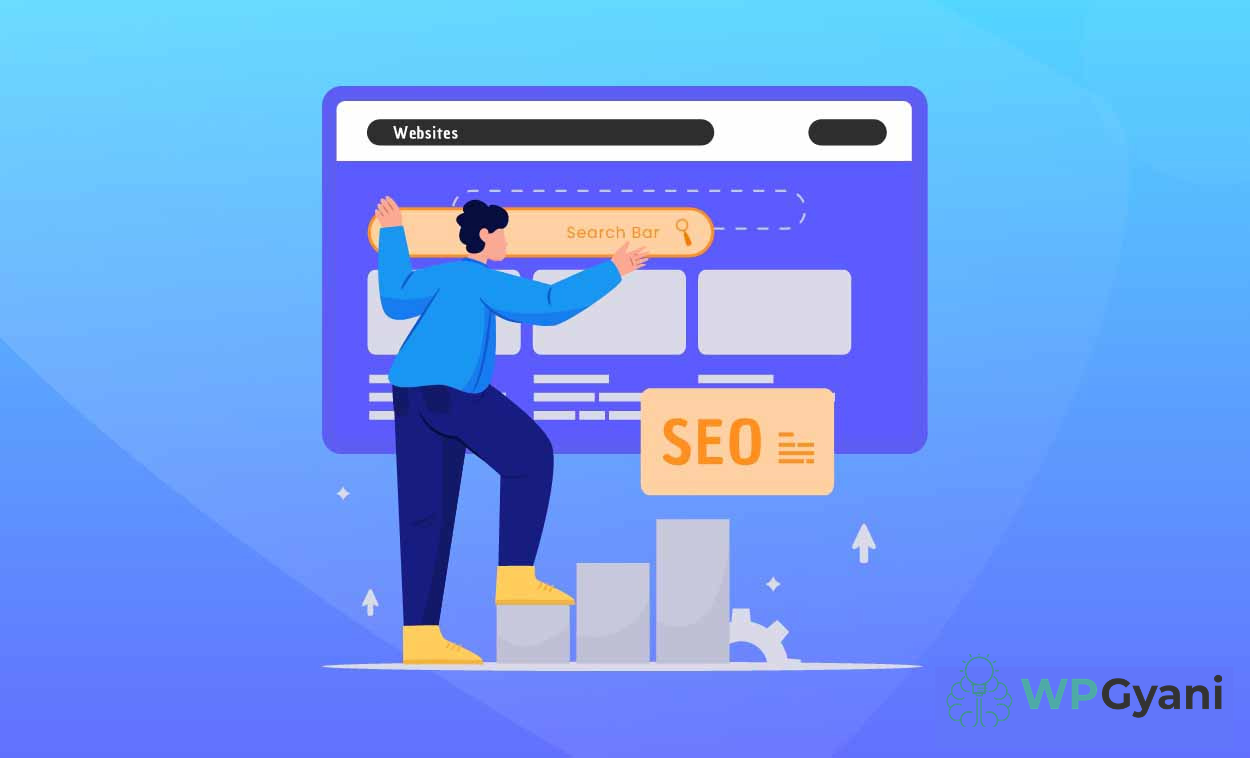
9. SEO-Optimized WordPress Structure
SEO is evolving with Google updates. Websites must be optimized for:
Core Web Vitals
Mobile-first indexing
Structured data
WP Gyani focuses strongly on SEO practices to improve rankings.
10. Mobile-First & Responsive Design
With most users browsing on mobile devices, responsive design is essential. WordPress themes now automatically adapt to different screen sizes.
Conclusion
The future of WordPress in 2026 is driven by AI, design innovation, speed, and user experience. By following these trends, you can build a powerful, modern, and SEO-friendly website.
For expert guidance, tutorials, and WordPress solutions, platforms like WP Gyani continue to help users stay updated and competitive in the digital world.
Frequently Asked Questions
The top trends include AI-powered websites, no-code builders, improved security, faster performance, and mobile-first design.
You can enhance your design using modern themes, animations, galleries, and page builders like Elementor.
Yes, WordPress remains one of the most popular CMS platforms due to its flexibility, scalability, and strong community support.
SEO is crucial for ranking on search engines. Optimizing speed, content, and structure helps drive organic traffic.
Use caching plugins, optimize images, choose fast hosting, and minimize unnecessary plugins.
No, modern tools and page builders allow you to create professional websites without coding.